
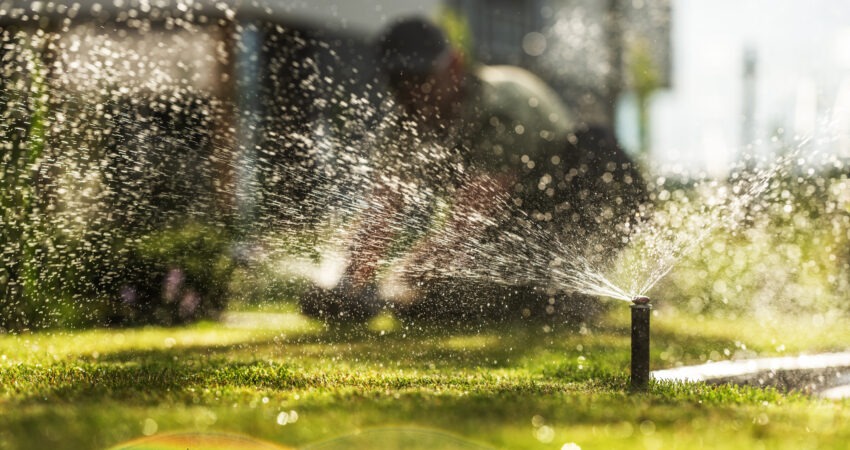
An irrigation system can keep a Phoenix yard healthy, but it can also create conditions that attract unwanted pests. Effective pest control systems often address more than insects already inside your home. Professional pest control services can also identify moisture, landscaping, and watering problems that encourage pest activity around your property.
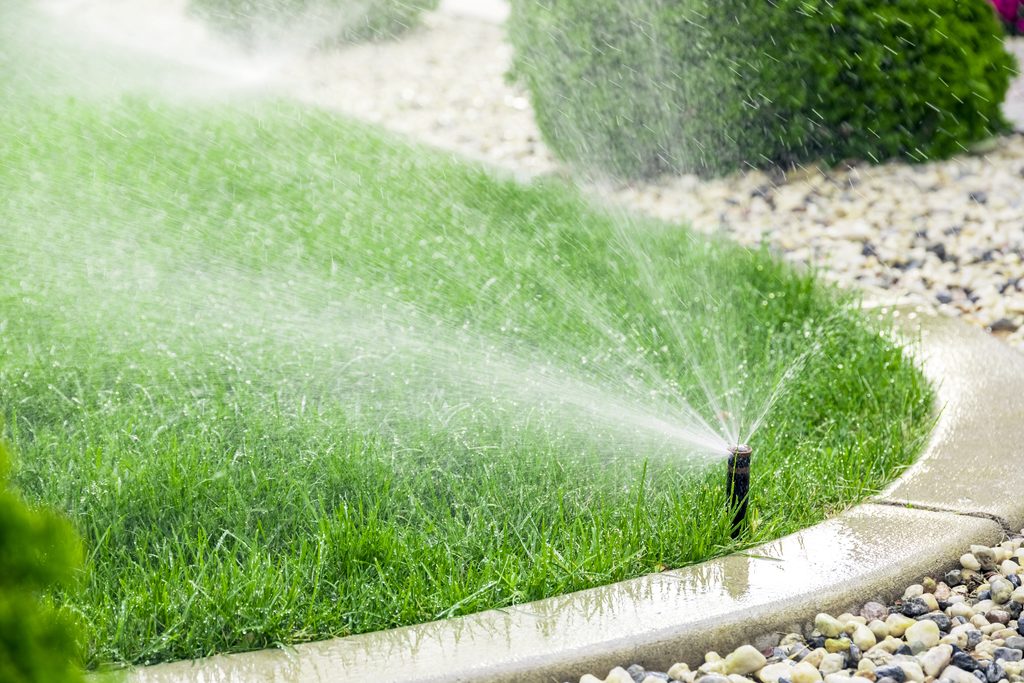
Water is especially attractive to pests because natural moisture can be limited. A small irrigation leak may become a reliable water source for insects and other pests.
How Irrigation Can Affect Pest Control Around Your Home
Your landscaping may look dry on the surface while moisture collects underneath the soil. Irrigation lines can also leak slowly without creating an obvious puddle.
That hidden moisture can attract ants, cockroaches, mosquitoes, termites, and other unwanted visitors. Once pests become established near the foundation, they may eventually move closer to your home.
This does not mean you should stop watering your landscaping. Instead, proper watering habits should become part of your overall pest control strategy.
Why Water Attracts Pests in Phoenix
Phoenix and surrounding communities experience long periods of hot, dry weather. During these conditions, pests actively search for dependable water sources.
A leaking sprinkler head may provide exactly what they need. Drip irrigation can create similar conditions when water continuously collects around plants or foundations.
Additionally, shaded areas can hold moisture longer than open areas exposed to direct sunlight. These locations may become attractive hiding places during Arizona’s hottest months.
Even a small amount of standing water can cause problems. Therefore, homeowners should periodically inspect landscaped areas after irrigation cycles finish.
Which Pests Are Attracted to Irrigation?
Different pests are attracted to moisture for different reasons. Some need water directly, while others are drawn to insects living near damp areas.
Ants often establish colonies near irrigated landscaping because moisture helps create favorable nesting conditions.
Cockroaches are also attracted to damp, protected locations. Irrigation valve boxes, drains, and landscaping materials can provide shelter near a water source.
Mosquitoes become a concern when standing water remains long enough for breeding. Clogged drains, containers, or poorly draining landscaping may increase this risk.
Termites also benefit from moisture around soil and wood. Excessive moisture near a structure can create conditions that deserve attention.
These pests behave differently, so identifying the source matters before treatment begins.
Can Overwatering Make Pest Problems Worse?
Yes. Overwatering can create consistently damp soil, which may make landscaping more attractive to certain pests.
Phoenix homeowners sometimes increase watering during extreme summer temperatures. However, more water does not always mean healthier landscaping.
Excess water can collect around foundations, decorative rocks, planters, and shaded areas. Furthermore, damaged irrigation lines may continue leaking after the scheduled watering cycle ends.
Adjusting your watering schedule can reduce unnecessary moisture while helping conserve water.
Watch for Irrigation Leaks Near the Foundation
Water near your home’s foundation deserves special attention.
Sprinkler heads should generally direct water toward landscaping rather than exterior walls. Likewise, drip lines should be inspected for broken connectors or damaged tubing.
If soil remains wet long after irrigation stops, investigate the cause. A buried leak may be present even when the irrigation equipment looks normal.
Foundation moisture does not automatically mean you have a pest problem. However, eliminating unnecessary water removes one factor that may encourage pest activity.
Landscaping Can Also Create Hidden Pest Areas
Irrigation is only part of the equation. Landscaping design can influence where moisture collects and how quickly soil dries.
Dense vegetation placed directly against a home can create cool, protected spaces. Fallen leaves and organic debris may hold additional moisture underneath.
Decorative pots can also trap water after irrigation. Meanwhile, irrigation valve boxes may remain damp and undisturbed for extended periods.
Keeping vegetation trimmed and removing unnecessary debris can make these areas less inviting.
Pest Control Services Can Help Identify Contributing Conditions
Treating visible pests may solve the immediate problem, but understanding why they appeared can provide better long-term results.
Professional pest control services can inspect areas where insects are active and identify conditions that may contribute to infestations. Moisture, entry points, vegetation, and shelter are often considered during an inspection.
For example, ants repeatedly appearing near one exterior wall could indicate nearby nesting activity. A leaking drip line might also be contributing to that activity.
Correcting the environmental condition alongside treatment can help reduce recurring problems.
Simple Ways to Reduce Pest Activity Around Irrigation
Homeowners can take several practical steps without removing their landscaping or irrigation equipment.
Check sprinkler heads regularly for leaks or incorrect spray patterns. Replace damaged drip emitters and tubing when problems appear.
Avoid allowing water to pool near exterior walls. Additionally, adjust watering schedules when seasonal temperatures change.
Keep gutters, drains, and landscaping areas clear enough for water to move away properly. Standing water should be addressed whenever possible.
You should also inspect irrigation valve boxes periodically. These enclosed spaces can become attractive shelters for insects.
Finally, watch for unusual pest activity after watering. Patterns can provide valuable clues about where pests are coming from.
Pest Control Starts With Understanding Your Property
An irrigation system does not automatically cause an infestation. However, leaks, overwatering, and poor drainage can create favorable conditions for unwanted pests.
That relationship becomes particularly important throughout Phoenix, Mesa, Scottsdale, Tempe, Chandler, Glendale, and other Valley communities. Arizona’s dry climate can make reliable water sources especially attractive to pests.
A well-maintained yard should support your landscaping without creating unnecessary moisture around your home.
If you are noticing increased insect activity near sprinklers, irrigation lines, or landscaped areas, TJ Pest Control can help identify the problem. Professional pest control can address current activity while helping you understand conditions that may be contributing to it.
Keeping irrigation maintained and pest activity monitored can make your property less inviting to unwanted visitors throughout the year.
